Naira Stablecoins: Nigeria's Quiet Crypto Pivot
A few years ago the CBN banned banks from touching crypto. Today, regulated Naira-pegged stablecoins are quietly moving through licensed fintech rails. Here is how the pivot happened, and why it matters more than the Bitcoin headlines ever did.
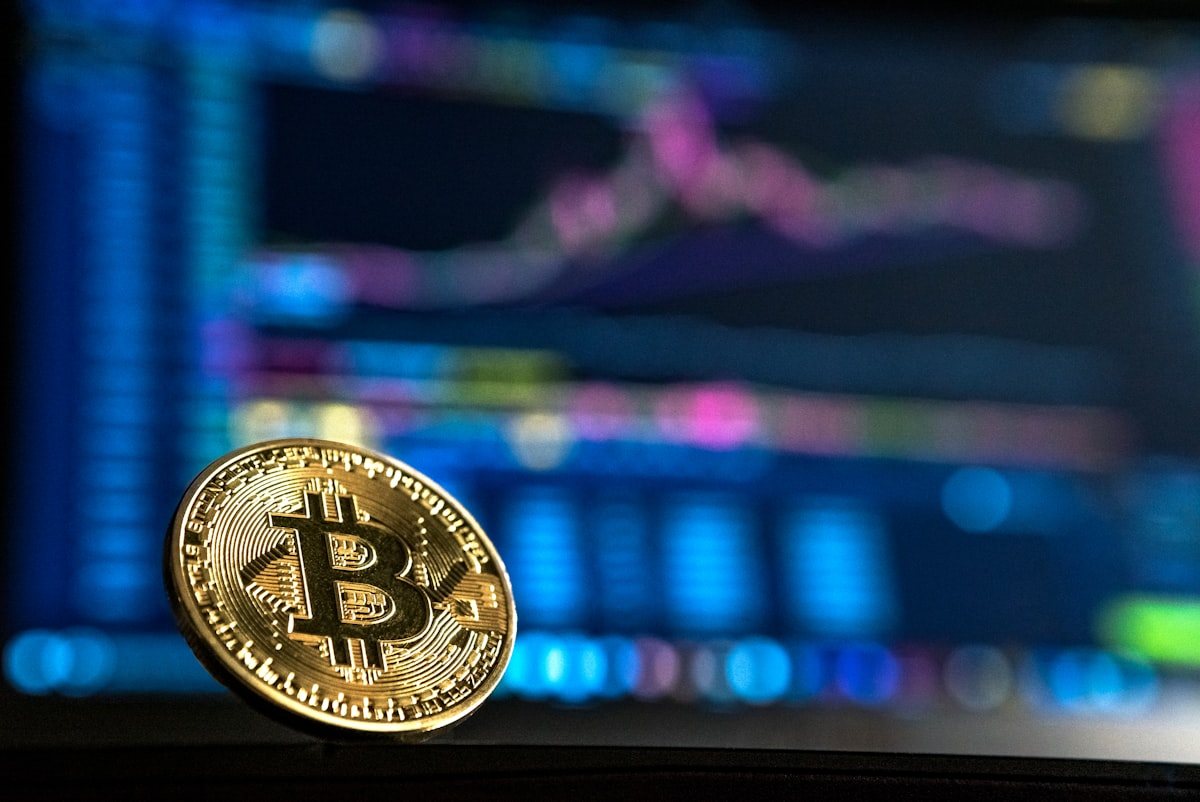
On 5 February 2021, the CBN ordered banks to close any account found transacting in cryptocurrency. By 2026, licensed operators are issuing and settling in Naira-pegged stablecoins with regulatory blessing. That's not a contradiction — it's a pivot, and understanding why it happened tells you where Nigerian fintech is actually headed.
The Actual Timeline
This reversal is unusually well documented, and the dates matter:
- Feb 2021CBN circular bars banks from servicing crypto exchanges and orders closure of related accounts.
- Oct 2021Nigeria launches the eNaira, one of the world's first central bank digital currencies. Adoption stays negligible.
- Dec 2023CBN reverses course, issuing guidelines under which banks may open accounts for licensed virtual asset service providers.
- Feb 2024cNGN, a compliant Naira-pegged stablecoin from a bank-backed consortium, goes live under the SEC's regulatory incubation programme.
- Mar 2025The Investments and Securities Act 2025 formally recognises digital assets as securities, putting them squarely under SEC oversight.
Note what happened in the middle of that sequence. The ban did not stop Nigerians from using crypto — Nigeria has ranked at or near the very top of global crypto adoption indices throughout this entire period. It pushed the activity into peer-to-peer channels the regulator could not see. The 2023 reversal was, in effect, an acknowledgement that supervising a market works better than pretending it isn't there.
What Changed Wasn't the Technology
The blockchain rails underneath a stablecoin and a volatile token like Bitcoin are similar. What changed is the specific risk the CBN was trying to manage. The 2021 ban was about capital flight and speculative volatility draining FX reserves through an unregulated channel. A Naira-pegged stablecoin, by contrast, doesn't let anyone escape the Naira — it just moves it faster, cheaper, and with better auditability than a traditional bank rail.
The eNaira is the instructive failure here. It was technically sound, fully official, and almost nobody used it — uptake stayed under a few percent of Nigerians despite a national push. A government can mandate that a digital currency exists. It cannot mandate that anyone find it useful. cNGN's bet is the opposite one: build the rail, let regulated private operators compete on the experience layer, and let usefulness drive adoption.
The Distinction That Mattered to Regulators
- 01.Volatile crypto: a speculative asset that can facilitate capital flight and is nearly impossible to trace across borders.
- 02.Naira stablecoin: a digital representation of the same currency already under CBN's authority, issued by licensed entities, fully reserve-backed and auditable.
Where This Actually Shows Up for You
Not as a speculative trading instrument — that's the wrong frame entirely. The real use case is settlement speed: cross-border B2B payments, remittance rails, and merchant settlement that used to take days through correspondent banking now clearing in minutes on a stablecoin rail, with the fintech app on top hiding all the blockchain complexity from the end user.
"Most people using a Naira stablecoin today don't know they're using one. They just know the transfer landed faster than it used to."
The Risk That's Actually New
The technology risk is low if the issuer is properly licensed and reserve-backed. The risk that's genuinely new is issuer risk — trusting that the fintech behind the stablecoin actually holds the Naira reserves it claims to. This is a counterparty question, not a blockchain question, and it deserves exactly the same scrutiny you'd apply to any fintech holding your deposit.
Should You Actually Care?
Whether any of this is relevant to your own money depends less on the technology and more on your appetite for being an early adopter of new financial rails. That's a personality question as much as a financial one.
New financial infrastructure is neither inherently good nor bad — it's a tool that rewards the informed and quietly punishes the careless. The Naira stablecoin pivot is real, it's regulated, and it's worth understanding before it shows up inside an app you already use.
Why the 2021 Ban Failed on Its Own Terms
The reversal makes more sense once you understand that the ban did not fail because regulators changed their minds about risk. It failed because it did not work.
The circular cut banks off from exchanges. It could not cut Nigerians off from crypto. Activity simply migrated to peer-to-peer trading, where two individuals agree a price privately and settle the Naira leg through an ordinary bank transfer that looks like any other transfer. Through the entire ban period, Nigeria remained at or near the top of global crypto adoption rankings.
So the regulator ended up with the worst available outcome: the activity continued at scale, and it was now invisible. No reporting, no consumer protection, no ability to distinguish legitimate trading from money laundering — and no data.
"A ban that people ignore doesn't eliminate the risk. It just removes the regulator's ability to see it. The 2023 reversal was less a change of heart than a recognition that supervision beats blindness."
The 2024 dispute between Nigerian authorities and Binance — involving detained executives and allegations about the platform's role in FX price formation — sharpened the point considerably. When offshore platforms with no domestic accountability become significant to your currency market, bringing activity onshore under licence starts to look less like permissiveness and more like control.
What Backs a Naira Stablecoin — and How to Check
The entire proposition rests on one claim: every token in circulation is matched by a real Naira held in reserve. If that holds, the peg holds. If it doesn't, you own an IOU from a company you've never assessed.
A properly structured Naira stablecoin holds reserves in cash and near-cash instruments at licensed Nigerian banks, held by an independent custodian rather than by the issuer, with attestations published regularly by an external auditor. cNGN's model routes through a consortium including regulated financial institutions and operates under SEC oversight — which is precisely the difference between it and an anonymous token promising a peg.
Global history supplies the cautionary tale. TerraUSD in 2022 was an "algorithmic" stablecoin backed not by reserves but by a mechanism — and when confidence broke, it collapsed to near zero within days, destroying tens of billions of dollars of value. The lesson generalises cleanly: a stablecoin is only as good as what actually sits behind it. Ask what the reserve is, who holds it, and who verifies it. If those three questions don't have public answers, that is the answer.
The Use Cases That Actually Justify This
Stripped of hype, the case for a regulated Naira stablecoin is narrow and genuinely strong in a few places.
- Cross-border B2B settlement. A Nigerian importer paying a supplier through correspondent banking waits days and pays several intermediaries. Settlement on a stablecoin rail clears in minutes with fewer hops.
- Remittances. The corridor into Nigeria is among the most expensive in the world, as covered in our remittance piece. Removing correspondent-banking layers attacks precisely the cost that makes it expensive.
- Programmable settlement. Escrow that releases automatically on delivery, or supplier payments that execute on a verified condition, without a bank as manual intermediary.
Note what is not on that list: speculation. A Naira stablecoin is pegged to the Naira. It will not appreciate. Anyone presenting one as an investment opportunity has misunderstood the instrument or is hoping you have.
Before Touching Any Naira Stablecoin
- ☐ Confirm the issuer is licensed or operating under SEC oversight
- ☐ Find the published reserve attestation — and check its date
- ☐ Identify who custodies the reserves; it should not be the issuer itself
- ☐ Verify you can redeem 1:1 for Naira on demand, and test with a small amount first
- ☐ Treat any promised yield as a red flag — a peg is not an investment
- ☐ Understand that a Naira stablecoin carries the Naira's inflation risk in full
Tap an item to cross it off.
Questions People Actually Ask
Is this legal in Nigeria now? +
How is this different from the eNaira? +
Does holding a Naira stablecoin protect me from devaluation? +
What is the actual risk I'm taking? +
This article is a fundamental analysis based on publicly available financial data. It is intended for educational purposes only and should not be taken as a recommendation to buy or sell any specific security.
Market data is subject to change. The author (Odiete) may hold positions in some of the assets mentioned. Please consult a licensed financial advisor before deploying capital.

Odiete Oghenesuvwetoba Efemena
Technology Risk & IT Audit
Computer Science graduate and ICAN Professional-level candidate working toward technology risk and IT audit. I write about Nigerian fintech, financial policy, and the systems and controls underneath them.