The Great Filter: Inside Nigeria's 2026 Banking Recapitalization
The CBN has drawn a line in the sand. With the exclusion of retained earnings and a deadline of March 2026, we break down who survives, who merges, and who folds.
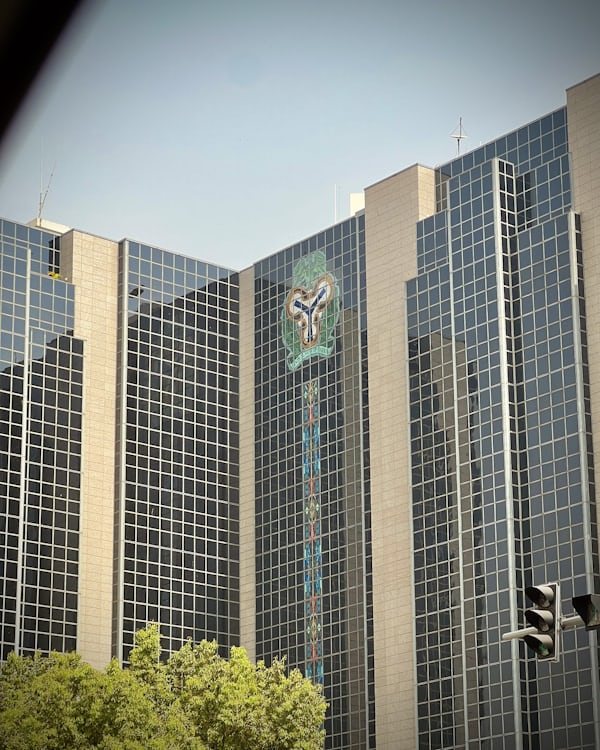
March 31, 2026. Mark this date. It is not just a deadline; it is an extinction event for the unprepared. The Central Bank of Nigeria (CBN) has initiated the most significant shake-up of the financial sector in two decades.
The objective is clear: A $1 Trillion economy cannot be built on the backs of fragile institutions. The CBN wants financial fortresses, not just banks. But the path to getting there is paved with controversy, technicalities, and high-stakes boardroom poker.
The Mandate: The New Capital Thresholds
The era of the "General License" is over. The CBN has introduced a tiered structure that forces banks to define their ambition by their wallet size.
The Titans
International
Required for banks operating across borders. This is the playground for the FUGAZ (FBN, UBA, GTCO, Access, Zenith).
The Nationals
National
For banks operating strictly within Nigeria. A massive jump from the previous ₦25B requirement.
The Specialists
Regional
For niche players operating in limited geo-political zones. The "safe harbor" for those who can't scale.
The "Technical" Bombshell: Retained Earnings
Here is where the deep dive gets interesting. Most observers looked at the Shareholder Funds of banks and thought, "Oh, they are close to the target." They were wrong.
⚠️ The Exclusion Clause
The CBN explicitly stated that Retained Earnings do NOT count towards the new capital base. Only Paid-up Capital and Share Premium apply.
The Impact: This wiped out billions of Naira in "perceived" capital overnight. Banks that thought they were 80% ready woke up realizing they were only 20% ready.
History Repeats: 2004 vs. 2026
For financial historians, this is Déjà vu. In 2004, Prof. Charles Soludo raised the capital base from ₦2B to ₦25B.
- 2004 Result: We moved from 89 weak banks to 25 strong ones.
- 2026 Prediction: We are currently at roughly 24 commercial banks. By 2027, expect that number to shrink to 15 or fewer.
The Survival Playbook
Banks are currently scrambling behind closed doors. We are about to witness a flood of activity in three specific areas:
The Public Offer (PO) Tsunami
Expect every major bank to hit the stock market to raise cash. For investors, this creates a period of dilution but also an opportunity to buy into discounted giants.
Mergers of Necessity
Tier-2 banks (the "Middle Class" of banking) are in the kill zone. They are too big to be regional but too small to meet the National/International threshold easily. Expect forced marriages.
Strategic Downgrades
There is no shame in profit. Some banks will voluntarily surrender their International or National licenses to operate profitably as Regional players rather than die trying to scale.
Conclusion: The Great Filter
The 2026 Recapitalization is a "Great Filter" event. It will separate the pretenders from the contenders. For the Nigerian economy, it promises a future where banks can actually fund the industrial revolution we need. But first, they must survive the winter.
This article is a fundamental analysis based on publicly available financial data. It is intended for educational purposes only and should not be taken as a recommendation to buy or sell any specific security.
Market data is subject to change. The author (Odiete) may hold positions in some of the assets mentioned. Please consult a licensed financial advisor before deploying capital.

Odiete Oghenesuvwetoba Efemena
Technology Risk & IT Audit
Computer Science graduate and ICAN Professional-level candidate working toward technology risk and IT audit. I write about Nigerian fintech, financial policy, and the systems and controls underneath them.