The Invisible Handcuffs: Is Nigeria Ready for a Credit Economy?
The Nigerian economy is quietly mutating. We are leaving the era of 'Cash-and-Carry' and entering the American model of 'Buy Now, Pay Forever.' It promises a better life today, but at what cost?

The Nigerian economy is becoming like the US economy day by day. Most people haven't noticed it yet, but the ground is shifting beneath our feet.
In the United States, you do not need to possess the full cash amount to acquire a car, a house, or even a college degree. If you want a Tesla, you don't save $50,000. You put down $5,000 and sign a piece of paper. You drive the car out of the lot today, and you pay for it over the next five years.
It sounds efficient. It sounds modern. It is the "American Dream."
But here is the reality: The system is a credit-based engine designed to keep you working for the life you lived yesterday.
For decades, Nigeria operated on a completely different operating system: The "Cash-and-Carry" model. If you didn't have the money in your pocket, you simply didn't buy it. If you wanted a car, you saved. If you wanted a house, you built it block by block, sometimes over ten years. It was slow, it was painful, but it was yours.
That era is ending. The machinery of the state is engineering a new reality.
The Great Transition
This isn't an accident. It is policy.
When you look at the recent aggressive push for a "Cashless Policy" and the Central Bank of Nigeria's (CBN) mandate for banks to increase their capital bases, do not just see them as isolated headlines. Connect the dots.

Why did the CBN force banks to recapitalize? Why ask a bank to move from ₦25 Billion to ₦200 Billion or ₦500 Billion?
// The Logic of Capital Adequacy
Small banks can only lend small money. To build a credit economy—where millions of Nigerians can get mortgages, car loans, and credit cards—you need banks with massive balance sheets.
The government knows that a cash-based economy grows linearly. But a credit-based economy? It grows exponentially. It increases the "Velocity of Money." When you spend credit, you are spending money that doesn't exist yet. This boosts consumption, which boosts production, which boosts GDP.
It is a brilliant macroeconomic strategy. It is also a trap.
The "Standard of Living" Illusion
We are about to see an explosion in the Nigerian standard of living. This sounds like good news, and on the surface, it is.
-
→
A young graduate in Lagos will be able to "buy" a Toyota Corolla at age 24.
-
→
A family will move into a 3-bedroom apartment in Lekki without saving the full rent upfront.
-
→
Appliances, phones, and clothes will be just a "swipe" away.
But here is the catch. In the old system, when you bought that Corolla, you were free. You owned it. In the new system, when you drive that Corolla off the lot, you are driving a liability.
"It creates a system of slavery where you are always working for the life you lived yesterday."
You stop working for your future. You start working to service your past. You wake up on Monday morning not to build wealth, but to pay the bank for the car you drove to work, the house you slept in, and the phone you are holding.
The Invisible Handcuffs
This transition is dangerous because it is comfortable. It doesn't feel like oppression; it feels like access.
If we import the American model of consumption (buying things on credit) without importing the American model of productivity and high wages, we risk creating a permanent underclass of "Indebted Serfs."
These are citizens who look rich. They wear designer brands, drive new cars, and live in serviced estates. But their Net Worth is negative. They are one missed paycheck away from total collapse. They cannot quit their jobs because they have monthly repayments. They cannot take risks. They cannot build.
They are handcuffed by their own lifestyle.
How to Position Yourself
The rules of the game are changing in real-time. You cannot play by the old rules, or you will be left behind. But you cannot blindly follow the new rules, or you will be enslaved.
The Strategy:
Use credit for Leverage, never for Consumption.
If the bank offers you a loan to buy a car that depreciates, run. If they offer you a loan to buy machinery, stock, or assets that pay you cash flow, sign the paper. In a credit economy, the winners are those who use debt to acquire assets. The losers are those who use debt to acquire liabilities.
The floodgates of credit are opening in Nigeria. Will you build an ark, or will you just drown in luxury?
This article is a fundamental analysis based on publicly available financial data. It is intended for educational purposes only and should not be taken as a recommendation to buy or sell any specific security.
Market data is subject to change. The author (Odiete) may hold positions in some of the assets mentioned. Please consult a licensed financial advisor before deploying capital.
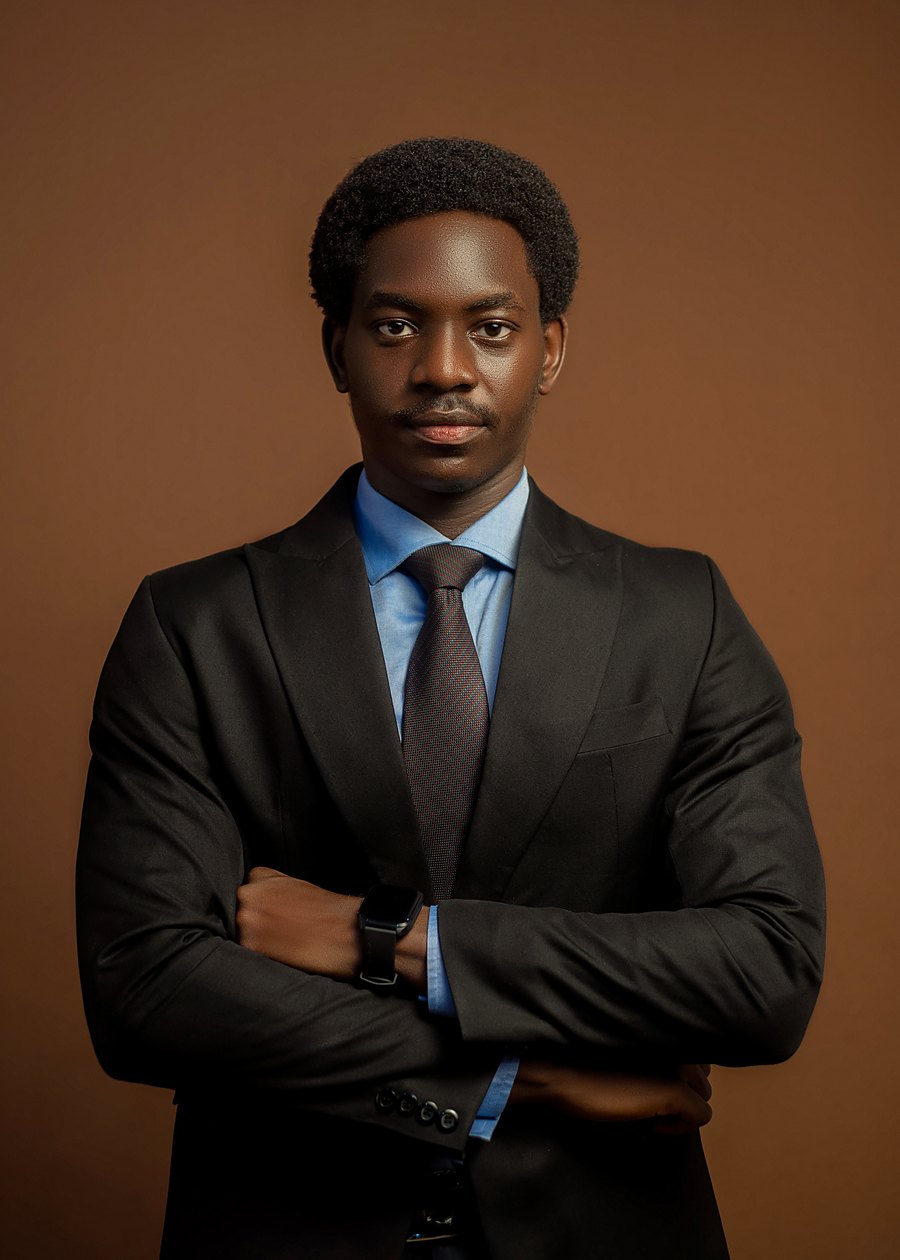
Odiete Oghenesuvwetoba Efemena
Technology Risk & IT Audit
Computer Science graduate and ICAN Professional-level candidate working toward technology risk and IT audit. I write about Nigerian fintech, financial policy, and the systems and controls underneath them.