The 22% Yield Glitch: Why Your Savings Account is a Scam
Banks are paying you 4% to lend your money to the government at 22%. I built an audit tool to show you exactly how much profit they are making off your deposit.
Executive Summary
- 01. The Glitch: The "Risk-Free" rate for government T-Bills has hit 22.49%, but your bank savings account is still paying ~4%.
- 02. The Arbitrage: Banks are using your deposit to buy T-Bills, keeping the 18% spread as profit. This is the "Middleman Attack."
- 03. The Patch: Banks hide T-Bills from their mobile apps. You must use specialized brokerage apps to access the yield.
For a while now, Tunde has been religiously following my "Patch Notes." He finally understands that in an economy with inflation running hot, leaving excess cash in a savings account is not saving, it’s bleeding.
Yesterday, he stormed into my office, threw his phone on my desk, and pointed at a notification.
"Odiete," he said, his voice shaking with the rage of a man who has finally taken the red pill. "Look at this insult."
I looked at the screen. It was a bank credit alert: Interest Paid: ₦412.50.
"I left ₦150,000 there for rent," Tunde fumed. "And they gave me enough to buy... what? A single sachet of milk? You warned me about the 'Middleman Attack,' but I didn't realize the robbery was this violent."
He was right to be angry. Tunde's bank is currently running the easiest arbitrage trade in history using his money.
The Data: Why is the Rate 22%?
On January 21, 2026, the Central Bank of Nigeria (CBN) held a Treasury Bills auction. The government has a massive ₦23 Trillion deficit to fund this year. To get that money, they have to pay a premium.
Official Auction Results (Jan 21, 2026)
Note: "Risk-Free" means the only way you lose your money is if the Federal Republic of Nigeria ceases to exist. If that happens, the Naira in your savings account is worthless anyway. So, the risk profile of T-Bills and Savings Accounts is identical.
The Tool: The Savings Audit
I told Tunde to stop yelling and start calculating. I built this tool to audit your savings and show you exactly how much money you are donating to your bank's shareholders.
Type in your savings amount below. The calculator updates instantly.
The Savings Audit
Bank Pays You (4%)
₦0
Govt Pays You (22.49%)
₦0
Money You Are "Donating" to the Bank
₦0
How to Execute the Patch
This is where Tunde got stuck initially. He opened his GTWorld app and couldn't find "Treasury Bills."
That is by design. Banks make it difficult for retail users to access high yields because they want your deposits cheap. They hide the T-Bill button on the web version or demand you visit a branch with ₦50 Million.
To bypass this blockade, you need to leave the banking app and use a Brokerage App.
-
1
The "Retail" Route (Recommended): Download apps like i-Invest or Afrinvestor. These are regulated platforms that aggregate T-Bills for individuals. The minimum entry is usually just ₦100,000.
-
2
The "Old School" Route: If you must use your bank (GTB, Zenith, etc.), you have to log in to their Internet Banking (Web Version) or visit a branch physically. Do not waste time looking for it on the mobile app.
-
3
The "True Yield" Check: Before you buy on any app, check the rate. If the auction closed at 22% and an app is offering you 15%, they are taking a massive cut. Find a better broker.
Intelligence, Not Noise
Don't Get Patched Out.
I read the 200-page Finance Acts so you don't have to. Join 2,000+ Nigerians getting the "cheat codes" for the economy.

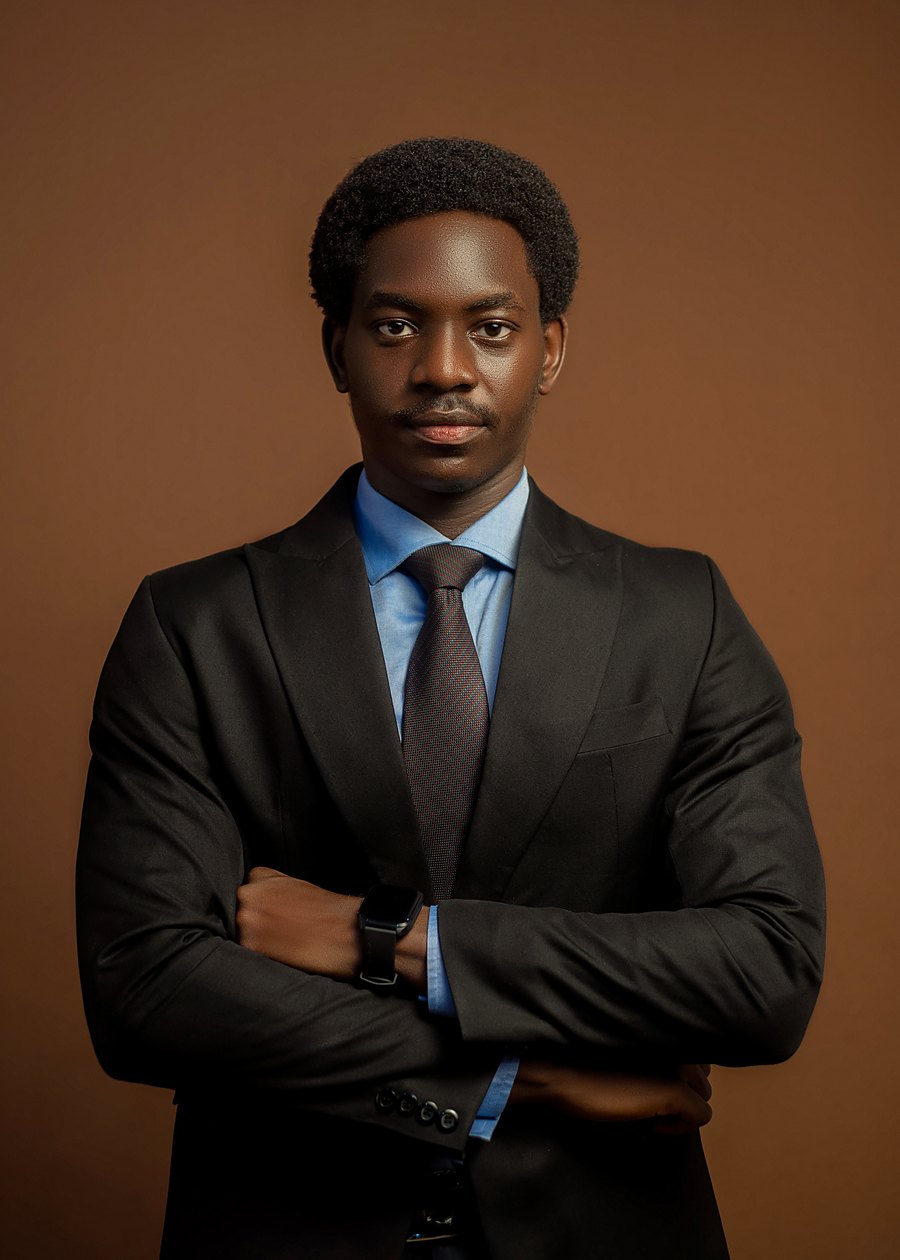
Odiete Oghenesuvwetoba Efemena
The Computational Accountant
This article is a fundamental analysis based on publicly available financial data. It is intended for educational purposes only and should not be taken as a recommendation to buy or sell any specific security.
Market data is subject to change. The author (Odiete) may hold positions in some of the assets mentioned. Please consult a licensed financial advisor before deploying capital.
Odiete Oghenesuvwetoba Efemena
Technology Risk & IT Audit
Computer Science graduate and ICAN Professional-level candidate working toward technology risk and IT audit. I write about Nigerian fintech, financial policy, and the systems and controls underneath them.